Neo-Minimalism
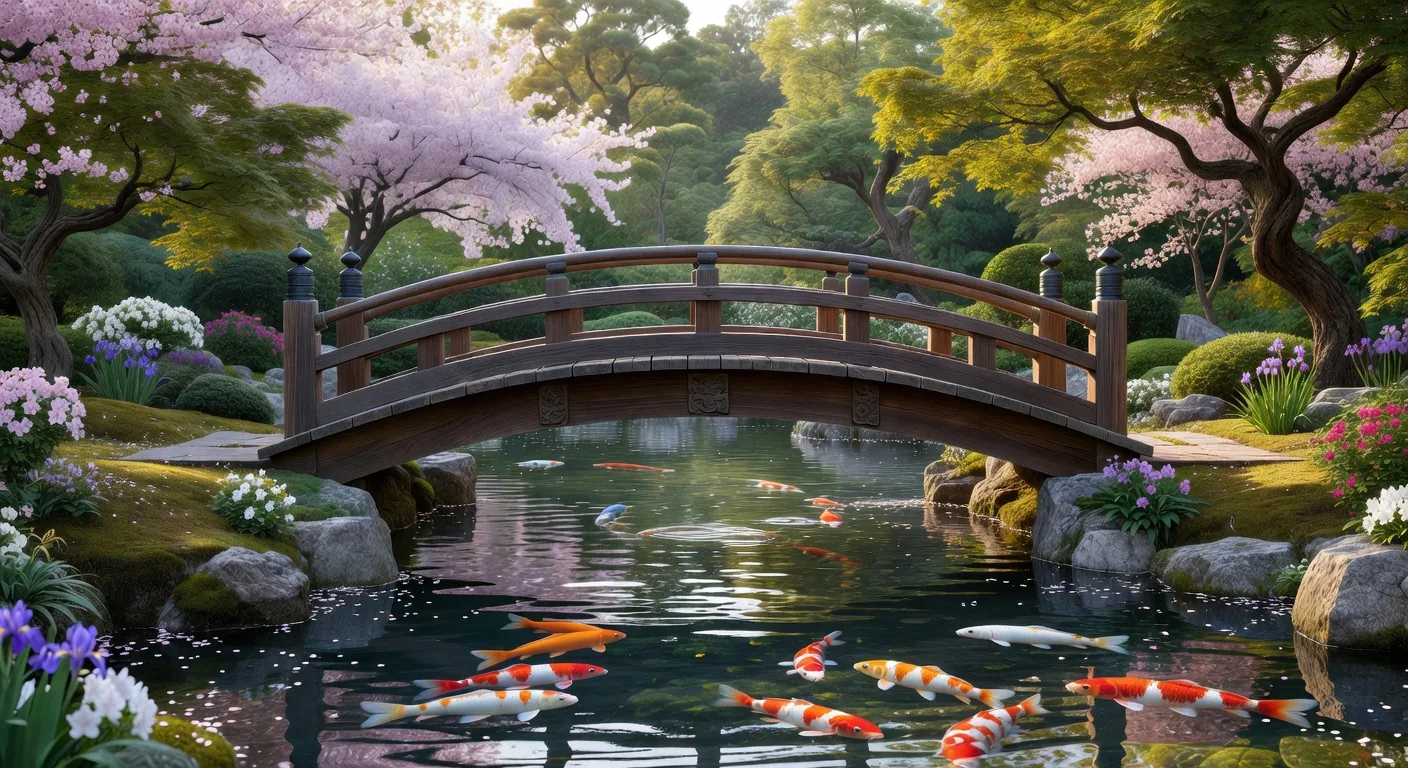
The fusion of digital fabrication precision with traditional Japanese wabi-sabi philosophy is producing a new minimalism that is warmer and more materially complex than its 20th-century precedents. Where mid-century minimalism stripped interiors of ornament, Neo-Minimalism reintroduces texture, grain, and patina as primary architectural elements — achieved through CNC-milled timber, 3D-printed ceramic screens, and laser-cut weathering steel that ages visibly over time.
Established practitioners include Kengo Kuma's studio, whose particle theory of architecture treats every building surface as a texture to be resolved at the scale of the hand. New projects in Toyosu and Shibuya demonstrate how digital fabrication can produce the quiet complexity that traditional Japanese joinery once achieved by craft alone.