Urban Development

Urban Development
Projects

Shaping the Future of Japan's Urban Landscape — from heritage districts to smart city infrastructure

Japan's Urban Transformation
2020–2026

¥3.1T Total Investment
47 Active Projects
12 Prefectures

Japan's urban landscape is undergoing one of its most ambitious transformations in decades. Since 2020, a convergence of post-pandemic recovery priorities, the delayed infrastructure push following Tokyo 2020, and growing urgency around climate resilience has catalyzed unprecedented public-private investment in the built environment.

From the sweeping waterfront regeneration projects reshaping Tokyo Bay to the carefully managed heritage conservation programs safeguarding Kyoto's historic streetscapes, these developments represent a uniquely Japanese approach to urbanism — one that refuses to treat preservation and progress as opposing forces.

The projects documented here span seismic retrofitting of cultural landmarks, green corridor initiatives in dense metropolitan centers, transit-oriented mixed-use districts, and experimental smart city pilots deploying AI-managed infrastructure. Collectively they represent Japan's blueprint for the 21st-century city.

City Hostel Hub tracks these developments through direct engagement with the architecture firms, municipal authorities, and cultural institutions responsible for their execution — providing the depth of documentation these projects deserve.
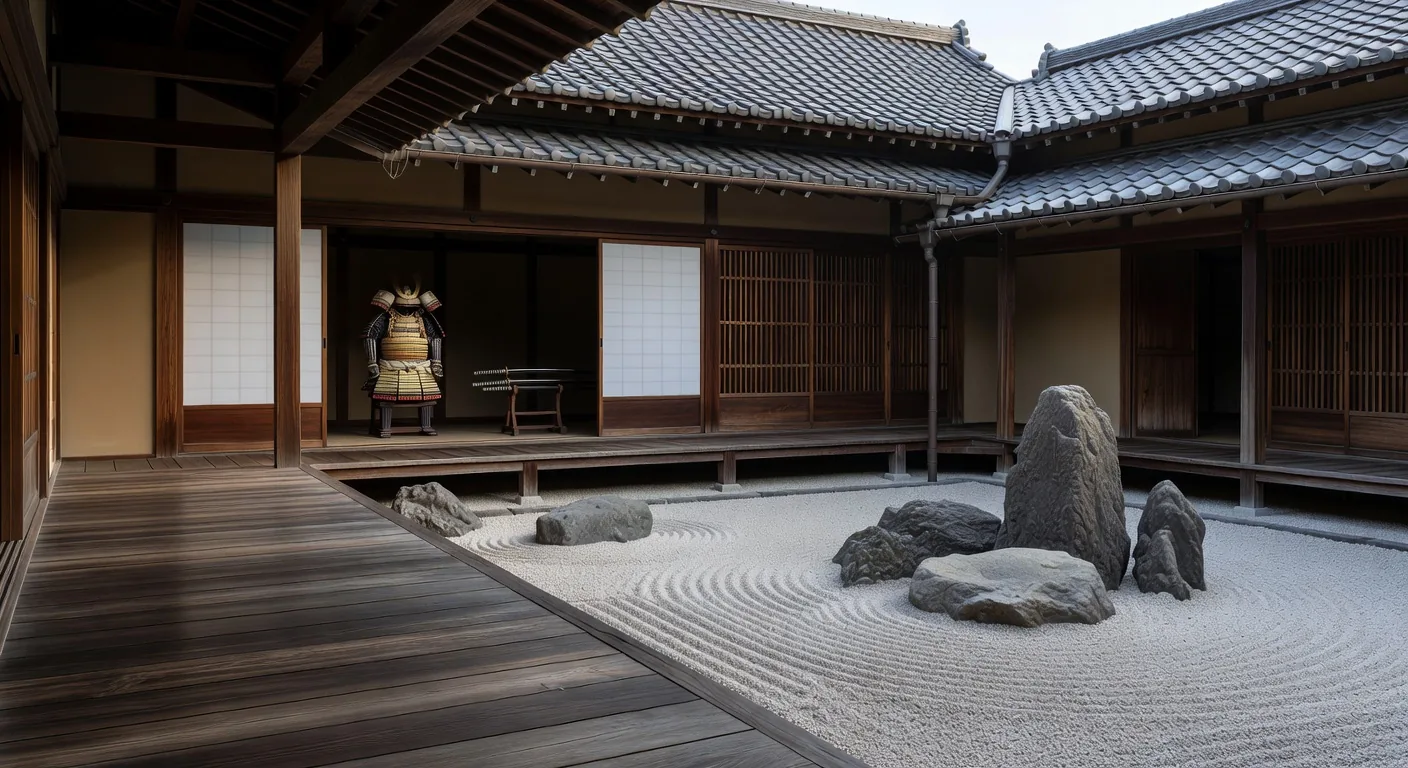
Samurai residence undergoing heritage preservation
Featured / 特集

Restoring the Architecture of Memory

Among the most culturally significant dimensions of Japan's current development wave is the systematic effort to document, stabilize, and thoughtfully rehabilitate pre-Meiji built heritage. Samurai residences, merchant townhouses (machiya), and castle compounds that survived the mid-century urbanization surge now face structural deterioration and shifting land economics.

The 2024 revision of Japan's Law for the Protection of Cultural Properties empowered prefectural governments to designate entire streetscape zones as protected cultural landscapes — a policy change with immediate consequences for development approvals and heritage funding. Projects benefiting from this framework must navigate intricate negotiations between preservation mandates, seismic safety codes, and the practical demands of contemporary occupancy.

Specialist firms such as Kengo Kuma & Associates and Nikken Sekkei have established dedicated heritage studios to address this demand, combining digital survey technologies with traditional craft knowledge passed down through regional artisan lineages.

Machiya Restoration Castle Architecture Seismic Retrofitting Traditional Joinery Cultural Landscape Adaptive Reuse

Featured Development Projects

A selection of the most consequential urban development initiatives currently underway or recently completed across Japan's major urban centers.

Tokyo Metropolitan
Ongoing

Tokyo Bay Waterfront Regeneration 2026

¥850B
Nikken Sekkei + Shimizu Corporation
Tokyo Bay, Koto Ward Est. 2024–2028

A comprehensive redevelopment of 340 hectares of former industrial waterfront linking Ariake, Odaiba, and Shinagawa districts. The project creates a continuous green waterfront promenade, mixed-use residential towers with passive cooling design, and a new marine ecology corridor. Flood resilience infrastructure rated for 200-year storm events underpins the entire development.

Kyoto
Phase 2

Kyoto Heritage District Revitalization

¥320B
Kengo Kuma & Associates + Kyoto City
Gion & Nishiki, Kyoto Est. 2022–2027

Phase 2 expands the machiya rehabilitation program to cover 1,200 additional townhouses in Nishiki and northern Gion. Sub-surface utility relocation removes overhead cabling from heritage streetscapes, while a new visitor management system reduces pedestrian crowding pressure on fragile historic structures. All materials sourced from traditional Kyoto craftspeople.

Osaka
Ongoing

Osaka Smart City Initiative

¥1.2T
Takenaka Corporation + Panasonic Holdings
Nakanoshima, Osaka Est. 2023–2030

Japan's largest integrated smart city deployment transforms the Nakanoshima district into a living laboratory for AI-managed urban systems. Sensor networks embedded in public infrastructure monitor air quality, pedestrian flows, structural health, and energy consumption in real time. The project's data governance framework has become a reference model for smart city privacy policy across Southeast Asia.

Hiroshima
Planning

Hiroshima Peace Memorial Expansion

¥180B
SANAA + Hiroshima City Bureau
Peace Memorial Park, Hiroshima Est. 2026–2031

The expansion extends the Peace Memorial Museum complex with a new subterranean research and educational facility that preserves the existing sight-lines to the Atomic Bomb Dome. SANAA's design employs minimal above-grade intrusion with a network of naturally lit underground galleries housing expanded archival collections and an international peace studies center.

Tokyo / Shibuya
Ongoing

Shibuya Stream Development Phase 3

¥450B
Coelacanth K&H + Tokyu Corp
Shibuya River Corridor, Tokyo Est. 2024–2027

Phase 3 extends the Shibuya Stream development upstream along the Uda River, creating a continuous 2.4-kilometer green corridor through the heart of Shibuya Ward. New bridging structures reference traditional Japanese timber joinery at architectural scale. The corridor integrates a network of open-air event spaces, co-working terraces, and seasonal plantings of native riparian species.

Nara
Complete

Nara Ancient City Preservation

¥95B
Architectural Institute of Japan + Nara Prefecture
Nara City Historic Zone Completed 2025

Completed in March 2025, this five-year program systematically surveyed and stabilized 340 structures within Nara's UNESCO World Heritage buffer zone. Digital photogrammetry produced the first comprehensive 3D archive of Nara's vernacular architecture, while structural interventions used reversible techniques to allow future adaptation. The project won the 2025 BCS Prize for Heritage Conservation.

Project Completion Status

Real-time progress estimates based on quarterly reporting from project bureaus and participating architecture firms as of Q2 2026.

Tokyo Bay Waterfront Regeneration 0%
Phase 1 infrastructure complete — residential towers in structural phase
Kyoto Heritage District Revitalization 0%
680 of 1,200 machiya units restored; utility relocation 78% complete
Osaka Smart City Initiative 0%
Core sensor network live; data center and governance platform operational
Hiroshima Peace Memorial Expansion 0%
EIA approved; detailed design documentation underway
Shibuya Stream Development Phase 3 0%
1.4 km of river corridor landscaping complete; bridge structures in progress
Nara Ancient City Preservation 0%
Completed March 2025 — final archive digitization ongoing

Upcoming Projects 2026–2028

Three landmark developments entering the planning and approval pipeline, representing the next generation of Japan's urban transformation agenda.

2026
Design Competition

Sapporo Northern Gateway Redevelopment

The area surrounding Sapporo Station is earmarked for comprehensive redevelopment ahead of the Hokkaido Shinkansen extension completion. An international design competition launched in late 2025 invites proposals for a new civic quarter integrating the terminal, commercial district, and a major cultural center. Budget: ¥620B.

2027
Environmental Review

Fukuoka Waterfront Zero-Carbon District

Building on Fukuoka's pioneering compact city policy, this project will establish Japan's first purpose-built zero-carbon urban district on reclaimed land at Hakata Bay. All energy from offshore wind and building-integrated photovoltaics. Mobility exclusively via autonomous electric vehicles and expanded cycling infrastructure. Budget: ¥440B.

2028
Pre-Planning

Yokohama Innovation Corridor

The Kannai district's post-industrial blocks will be transformed into a research and creative industries corridor linking Yokohama's major universities with the port's new cultural facilities. The project prioritizes adaptive reuse of mid-century industrial buildings and the integration of public green space at a ratio of 40% of total site area. Budget: ¥380B.

Architecture Firms & Consultancies

The firms shaping Japan's built environment — from historic preservation specialists to cutting-edge smart infrastructure consultancies.

Kengo Kuma & Associates

Tokyo · Heritage & Cultural

Nikken Sekkei

Tokyo · Large-Scale Urban

SANAA

Tokyo · Museum & Public

Takenaka Corporation

Osaka · Smart Infrastructure

Coelacanth K&H Architects

Tokyo · Mixed-Use Development

Toyo Ito & Associates

Tokyo · Civic Architecture

Shimizu Corporation

Tokyo · Engineering & Construction

Obayashi Corporation

Tokyo · Infrastructure